OBSERVATIONS
Notes on systems, friction, and structure
Observations are short analytical notes on human systems: how they behave, how they explain themselves, where friction appears, and what their architecture makes visible or difficult to see.
They are not general commentary.
They are attempts to identify structure beneath visible events, recurring patterns, institutional behavior, coordination problems, narratives, technology, and decision environments.
RECENT OBSERVATIONS
Current notes from the archive
Analytical notes on situations where systems appear active, aligned, equipped, or responsible — while the underlying structure may still need to be understood.

Why meetings keep returning to the same place
Read observation: Why meetings keep returning to the same placeMeetings can produce clear decisions, useful actions, and visible movement while the condition the organization is trying to change persists. When that happens, the question is not how often people meet, but what in the system keeps the pattern in place.
When every option seems reasonable but none changes the situation
Read observation: When every option seems reasonable but none changes the situationA system can have several reasonable options and still remain stuck. When that happens, the issue may not be the quality of the options, but the frame that made those options appear available.
When a role owns an outcome produced across the system
Read observation: When a role owns an outcome produced across the systemResponsibility can sit with one role even when the conditions that produce the outcome are distributed across the system. This Observation examines when that gap begins to matter.
When digital transformation becomes proof of progress
Read observation: When digital transformation becomes proof of progressDigital transformation can improve how a system operates. But when visible movement becomes evidence of progress, the harder question remains: what actually needs to become different?
Why a process should be understood before it is automated
Read observation: Why a process should be understood before it is automatedAutomation can reduce manual effort. But when the process beneath it remains unclear, automation may make the same pattern faster instead of easier to resolve.


PILLARS
Four ways to read system patterns
Observations are organized around four recurring areas of analysis: how options become available, where effort loses force, how responsibility and constraint shape behavior, and how systems explain what is happening.
These pillars help organize the archive without turning each Observation into general commentary.
01

DECISION SPACE
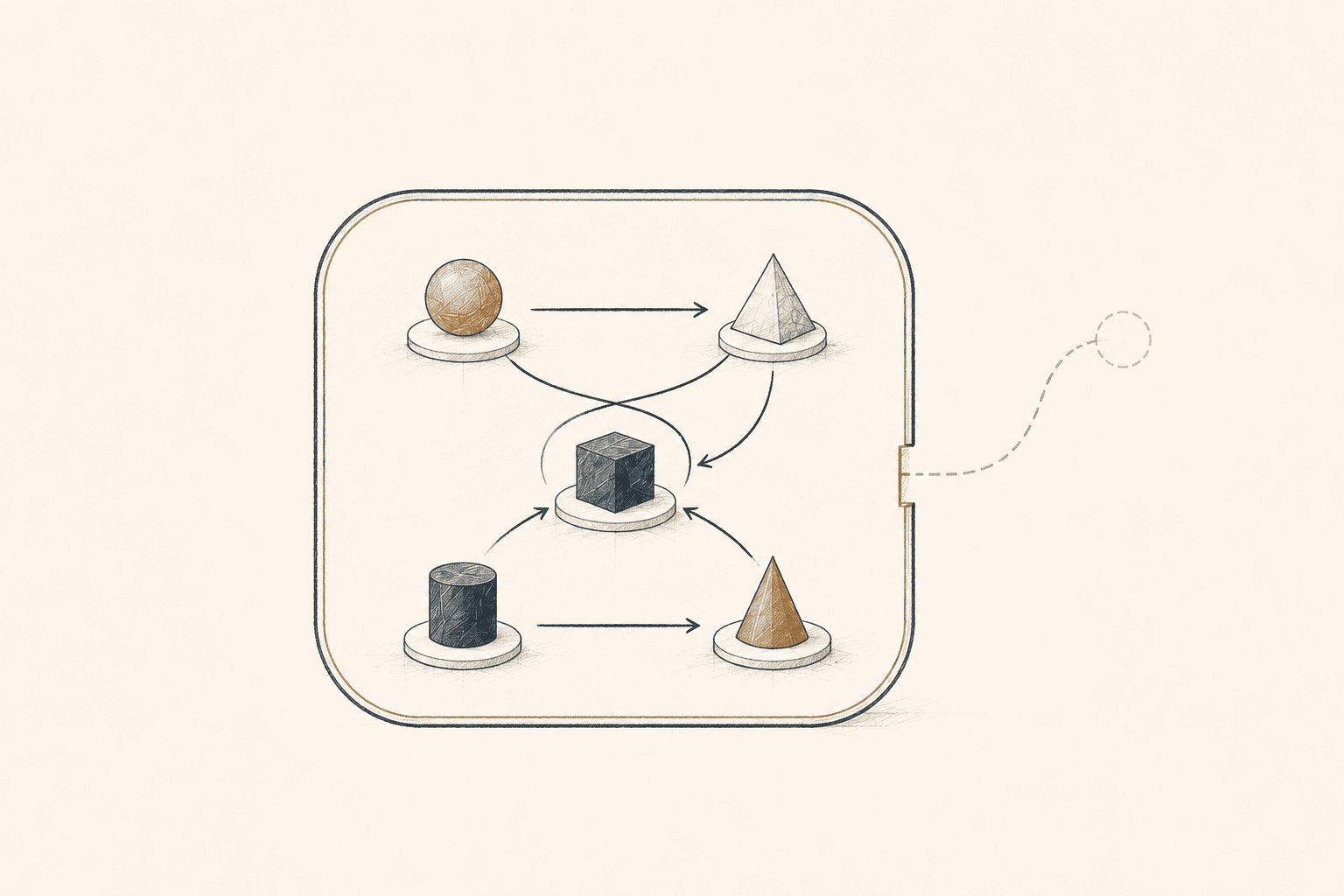
How frames, objectives, roles, and constraints define which options can appear available.
DIAGNOSTIC QUESTION
What options does the system make thinkable, available, or impossible?
02

STRUCTURAL FRICTION
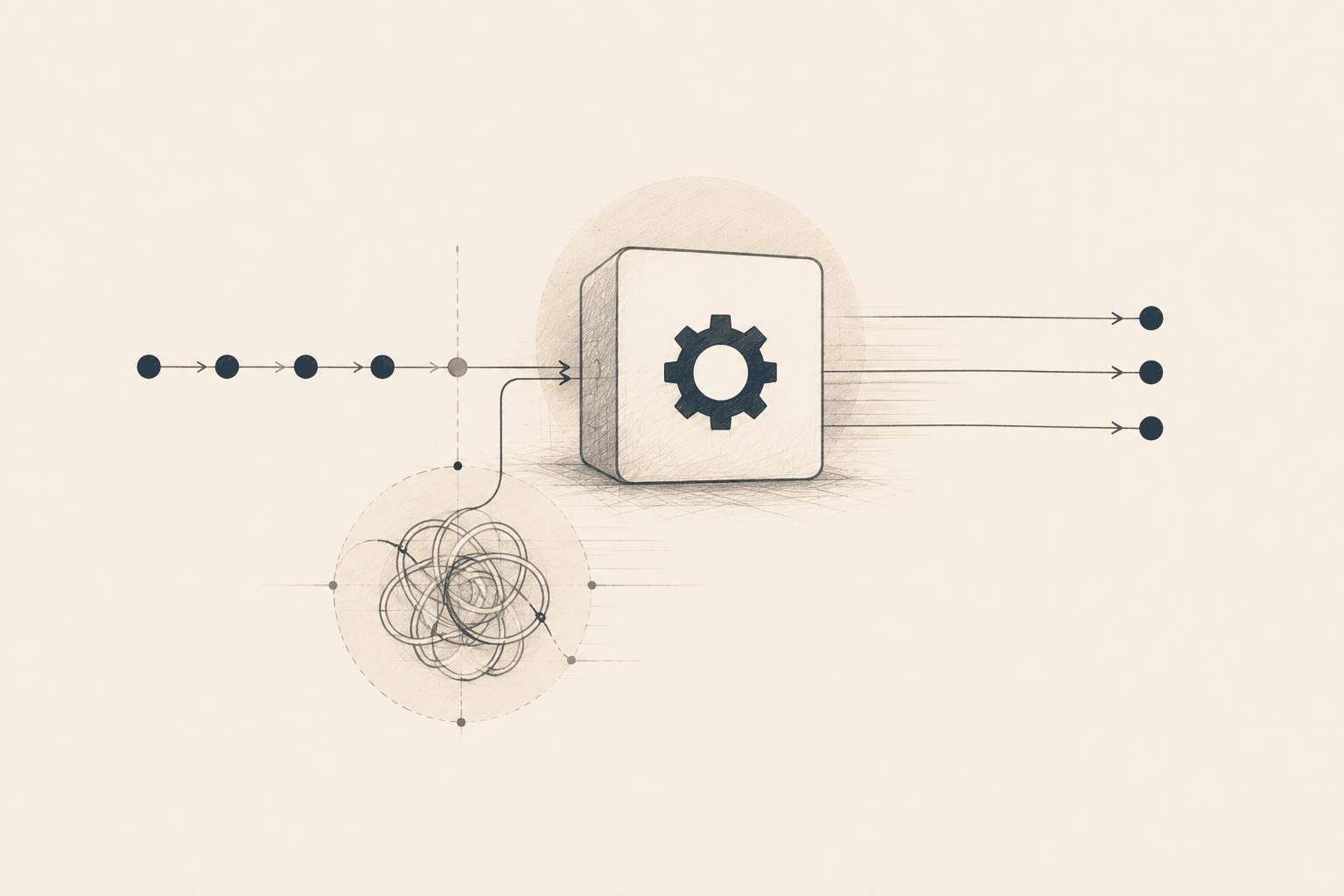
Where effort, coordination, or optimization loses force because the underlying architecture is misaligned.
DIAGNOSTIC QUESTION
Where is the system converting effort into repetition, delay, or non-compounding movement?
03

ROLES & CONSTRAINTS
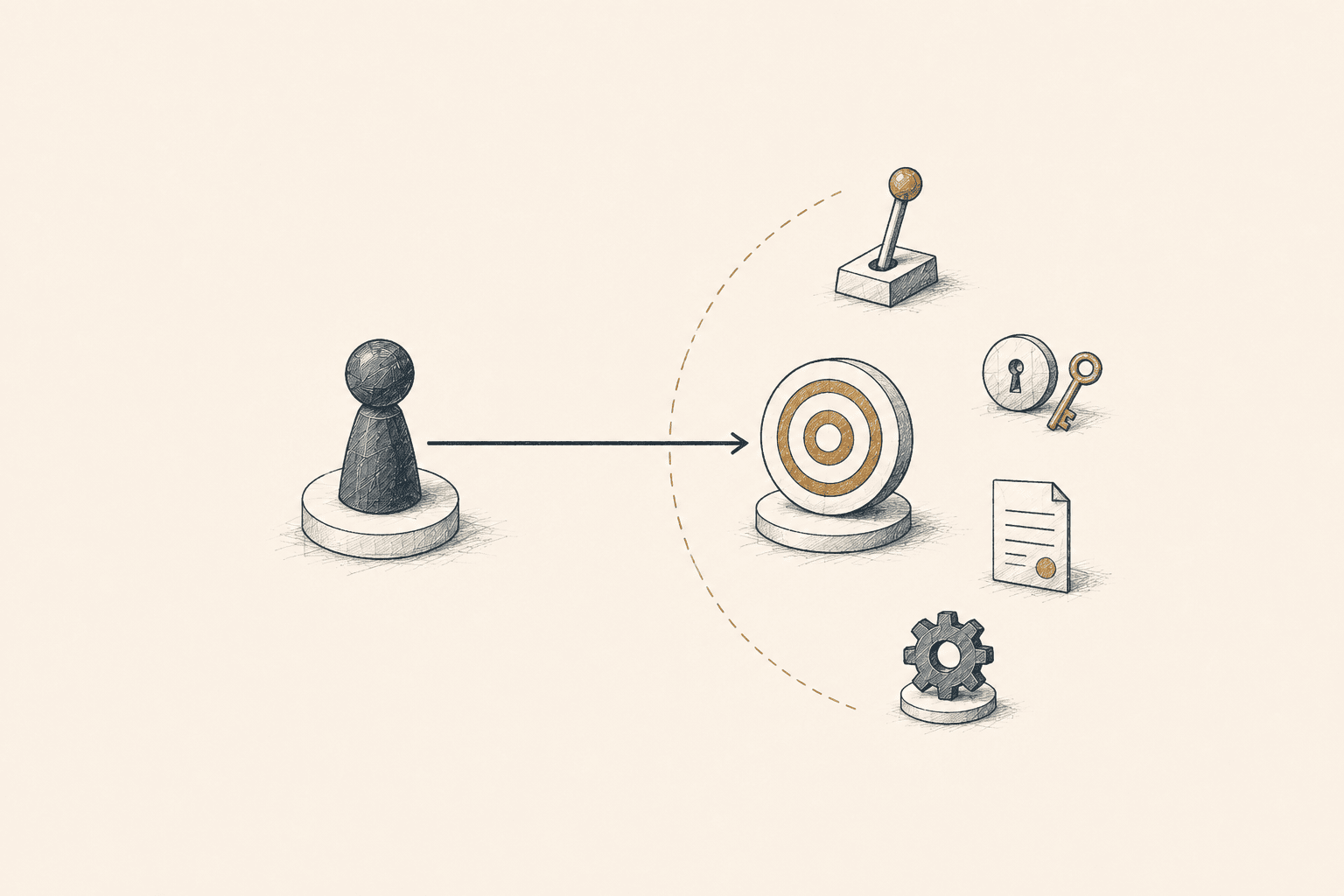
How responsibility, authority, identity, and control shape what people or teams can actually influence.
DIAGNOSTIC QUESTION
Who is responsible for outcomes they cannot structurally control?
04

NARRATIVES & LEGIBILITY
How systems explain themselves, obscure tradeoffs, stabilize meaning, or mistake narrative coherence for causal explanation.
DIAGNOSTIC QUESTION
What story is making the system feel understood without explaining what recurs?
Some patterns are not isolated problems.
If a system keeps producing friction despite reasonable fixes, it may be worth diagnosing. Tell us more about the situation.